Fun Learning Adventures for Kids: A Modern Approach to Early Childhood Development
In a rapidly changing educational landscape, parents, educators, and content creators are rethinking how young children build foundational skills. The shift away from passive screen time toward active, hands-on learning has opened the door for thoughtfully designed resources that combine play with purpose. Fun Learning Adventures for Kids represents a new wave of activity workbooks that respond directly to this demand—offering a structured yet flexible tool for developing early literacy, numeracy, creativity, and confidence. This article explores what makes this workbook distinctive, how it fits into broader trends in early childhood education and consumer behavior, and why it is capturing the attention of professionals and families alike.
The Evolution of Early Learning Resources
The market for children's educational materials has matured significantly over the past decade. Once dominated by basic coloring books and rote worksheets, the industry now emphasizes skill integration, multisensory engagement, and emotional development.
Workbooks like Fun Learning Adventures for Kids reflect a broader understanding that early learning is not merely about memorizing letters and numbers. Instead, effective resources must nurture curiosity, encourage problem-solving, and build confidence—all while keeping children genuinely engaged. This evolution mirrors what developmental psychologists and educators have long advocated: that play-based, exploratory learning yields stronger long-term outcomes than drill-based approaches.
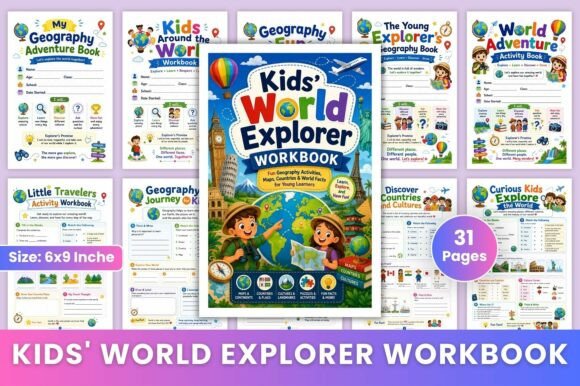
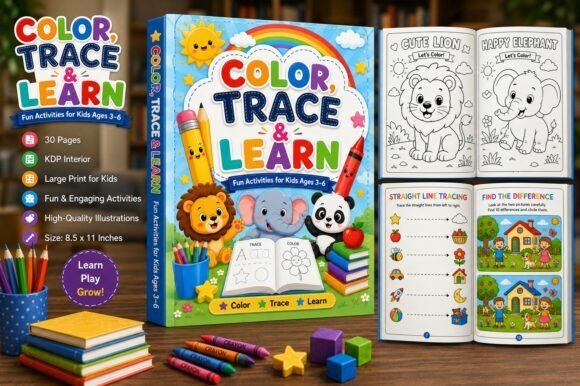
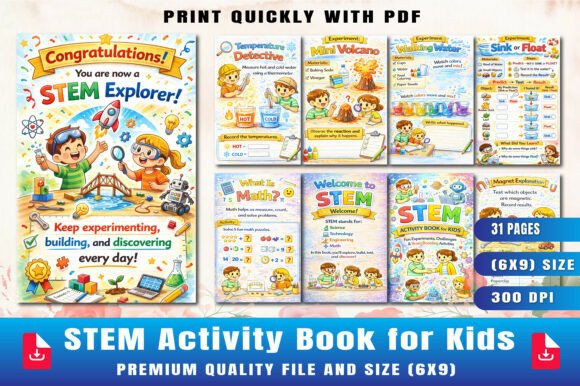
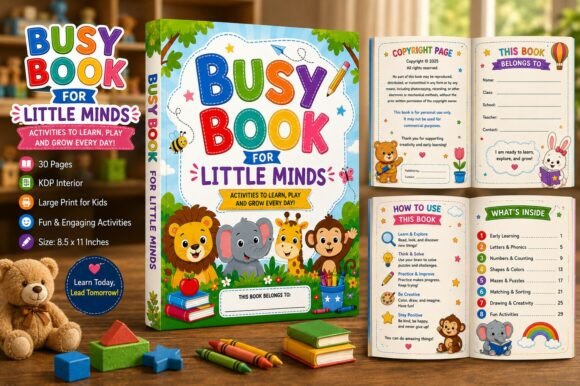
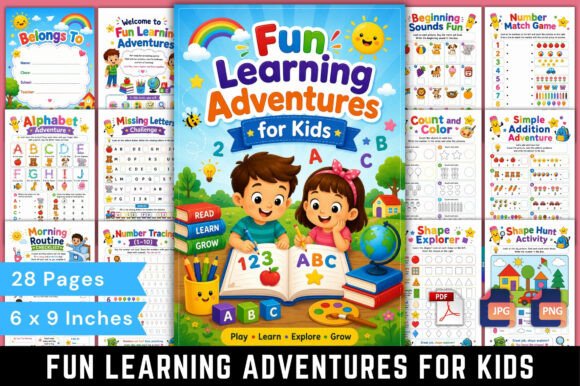
Parents today are more informed and discerning. They seek materials that align with developmental milestones but also respect a child’s natural desire for fun and discovery. Fun Learning Adventures for Kids meets this expectation by blending letter recognition, counting, shapes, colors, and phonics with mazes, puzzles, drawing challenges, and even emotional awareness exercises. The result is a holistic resource that supports both cognitive and socio-emotional growth.
Why Hands-On Workbooks Matter in a Digital Age
With screens occupying an increasing share of children’s attention, educators and pediatricians have raised concerns about the effects of excessive digital exposure on attention span, fine motor skills, and imaginative thinking. Hands-on workbooks offer a tactile, screen-free alternative that remains deeply engaging.
Fun Learning Adventures for Kids harnesses the power of tracing, matching, sorting, coloring, and drawing—activities that strengthen fine motor coordination and visual processing in ways that touchscreens cannot replicate. These pages invite children to slow down, focus, and take pride in completing a task. For parents and educators looking to balance a child’s media diet, this workbook provides a practical, ready-to-use solution that feels like play, not homework.
Moreover, the workbook’s design acknowledges that attention spans vary widely. By offering short, varied activities—from a weather-themed puzzle to a counting game—it respects different engagement levels while building endurance over time. This makes it a valuable tool for both home and classroom settings.
How This Workbook Aligns with Contemporary Educational Needs
Modern early learning frameworks, from the Early Years Foundation Stage (EYFS) to Montessori and Reggio Emilia, emphasize child-led exploration and the integration of multiple skill domains. Fun Learning Adventures for Kids aligns with these philosophies by embedding learning within a narrative of adventure and discovery.
For instance, the workbook’s community helpers and healthy habits sections introduce real-world concepts that children encounter daily, making learning relevant and contextual. The emotional awareness pages help children name and understand their feelings—a critical component of social-emotional learning that is increasingly prioritized in early curricula. Meanwhile, the inclusion of achievement certificates provides a tangible reward system that reinforces motivation and self-esteem.
This alignment with broader educational standards is not accidental. The creators have clearly considered how each activity maps to developmental benchmarks in literacy, numeracy, and executive function. For marketers, early childhood professionals, and content creators, this demonstrates a thoughtful product-market fit—a resource that addresses both parental aspirations and pedagogical best practices.
Building Skills Beyond Academics: Creativity, Confidence, and Problem-Solving
One of the most compelling aspects of Fun Learning Adventures for Kids is its deliberate focus on creativity, confidence, and problem-solving—skills that are increasingly recognized as essential for future success in any field.
The creative drawing challenges, for example, do more than teach artistic technique. They encourage children to make choices, experiment with ideas, and express their unique perspective. This builds the kind of flexible thinking that employers and educators now prioritize. Similarly, the mazes and puzzles require children to plan ahead, test hypotheses, and persist through difficulty—all foundational to a growth mindset.
Confidence emerges not from praise alone but from genuine accomplishment. Each completed activity in this workbook gives a child a tangible sense of progress. Parents and teachers report that this cycle of effort, completion, and recognition reinforces a child’s willingness to tackle new challenges—a mindset that pays dividends well beyond the early years.
For entrepreneurs and educators designing learning tools, the lesson is clear: the most effective products are those that weave skill development into experiences that feel meaningful to the child. Fun Learning Adventures for Kids does this by treating each page as a small adventure rather than an exercise to be endured.
Practical Applications for Parents, Educators, and Caregivers
From a practical standpoint, the workbook is designed for low-friction use. Busy parents can open it to any page and find a self-contained activity that requires minimal explanation. The variety of formats—matching games, tracing activities, sorting exercises, and open-ended drawing—means that children remain interested even after repeated use.
In classroom settings, teachers can use individual pages as morning work, center activities, or take-home reinforcement. The sections on weather, community helpers, and emotions also integrate naturally into thematic units. For homeschooling families, the workbook serves as a comprehensive supplement that ensures core skills are covered while leaving room for customization.
For professionals in the children’s media and publishing space, this product offers a case study in how to meet current consumer expectations. Modern buyers want more than entertainment—they want transparency about learning outcomes, evidence of thoughtful design, and materials that respect a child’s agency. Fun Learning Adventures for Kids delivers on all three fronts.
The Broader Impact: Supporting Life-Long Learning
Perhaps the most important trend this workbook addresses is the growing recognition that early learning experiences shape life-long attitudes toward education. Children who associate learning with joy, curiosity, and a sense of mastery are far more likely to become self-motivated learners later in life.
By framing foundational skills as part of a “fun adventure,” this workbook helps children build positive associations with reading, math, and creative expression. This emotional scaffolding is just as important as the cognitive content. In a world where adaptability and continuous learning have become career necessities, the emotional groundwork laid in early childhood cannot be overlooked.
For marketers and content strategists, the lesson is to communicate not just what a product does, but what it enables over time. Fun Learning Adventures for Kids isn’t merely a workbook—it’s an investment in a child’s learning identity.
Why Attention Is Growing Around This Type of Resource
Several converging factors explain the rising interest in structured yet playful workbooks. First, the post-pandemic emphasis on learning recovery and school readiness has made parents more intentional about at-home educational materials. Second, the movement away from passive screen consumption has created demand for print-based resources that offer active engagement. Third, the growing body of research on executive function and self-regulation has validated the kinds of activities—puzzles, matching, sorting, tracing—that this workbook emphasizes.
Additionally, the product’s multi-skill approach appeals to value-conscious buyers who want a single resource that covers multiple developmental domains. Instead of purchasing separate books for letters, numbers, shapes, and emotions, families get an integrated experience that mirrors how children actually learn—through connected, contextual experiences.
For content creators, entrepreneurs, and marketers, this signals an opportunity. The market is ripe for products that are intentional, evidence-informed, and built around authentic child engagement. Fun Learning Adventures for Kids exemplifies how to combine educational rigor with the joy of discovery.
Conclusion
Fun Learning Adventures for Kids is more than a workbook—it is a reflection of how far the early learning industry has come. In an era of information overload and competing stimuli, it offers a focused, hands-on pathway to building essential skills while nurturing creativity, confidence, and a love for learning. For parents, it provides a trusted tool that supports their child’s holistic development. For educators, it offers a flexible resource that complements formal curricula. And for professionals observing the space, it serves as a benchmark for thoughtful, trend-aware product design.
As the landscape of childhood continues to evolve, resources that combine play, purpose, and research-backed design will only become more vital. Fun Learning Adventures for Kids stands at this intersection, helping the next generation discover that learning is, indeed, the greatest adventure of all.