The Pinterest Traffic Growth Workbook: Why a Structured Approach Beats Random Pinning
Starting out on Pinterest can feel a lot like tossing spaghetti at the wall to see what sticks. You create a few pins, maybe get a handful of saves, and then the results plateau. It's a common frustration, and it's usually not about the quality of your images or your products. More often, it's about the lack of a repeatable system. That's what makes a resource like The Pinterest Traffic Growth Workbook worth paying attention to. It's not a collection of overhyped hacks or tips that will go out of date next month. It's a practical guide designed to help you organize the way you approach Pinterest, covering keyword research, content planning, and strategic execution in one place.
That said, owning a tool like this is only half the battle. Many people buy a workbook, flip through a few pages, and go back to their old habits. Others miss the most valuable exercises because they're chasing the wrong metrics. This article covers the most common mistakes people make when using a workbook like this, so you can get the actual return on investment you're looking for—more traffic, better visibility, and a smarter workflow.
Mistaking the Workbook for a Shortcut
One of the biggest misunderstandings about any growth workbook is that it offers a quick fix. You might be tempted to skip directly to the pin templates or the content planner without first completing the strategic groundwork. The Pinterest Traffic Growth Workbook is structured to lead you from strategy to execution. If you jump ahead, you miss the insights that make your pins effective.
The worksheets are designed to help you clarify your brand position and identify search terms that actually align with your audience's intent. Take the time to complete each section in order: keyword research, then content planning, then design. This sequence is key to getting consistent results. When you skip the foundation, your traffic tends to stay inconsistent or refuse to grow at all. Think of the workbook less as a reading assignment and more as a set of blueprints. You wouldn't build a house by jumping straight to the roof, and the same logic applies here.
Overlooking the SEO and Keyword Worksheets
Pinterest operates as a visual search engine, but many people still treat it like a standard social media platform. This leads to relying on hashtags or broad, competitive topics rather than targeted search queries. The SEO tools and keyword worksheets inside this workbook exist to guide you through the process of discovering what your ideal audience is actually typing into the search bar.
A common mistake is doing this research at a surface level—for example, targeting "healthy recipes" when you could be targeting "15-minute high protein vegan dinner ideas." The difference between these two approaches is night and day. Broad keywords bring high impressions but low clicks because the search intent is too general. Niche, long-tail keywords bring fewer impressions, but dramatically higher engagement and click-through rates. The worksheets are built to help you capture these high-intent terms. Take the exercise seriously, and challenge yourself to dig deeper than the obvious suggestions Pinterest autofills.
Treating the Workbook as a Passive Read
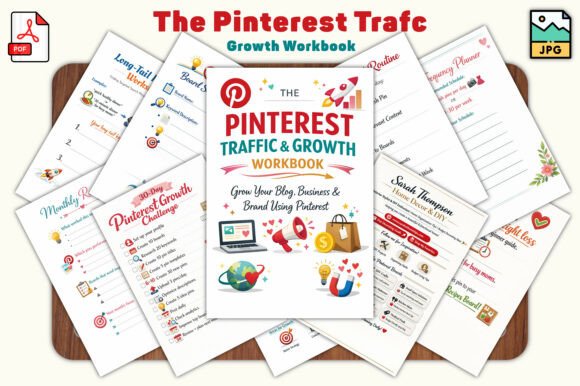
A 34-page workbook is useless if it just sits in your downloads folder or on a shelf. The design of The Pinterest Traffic Growth Workbook is clean and organized, but it requires your active participation to deliver value. One mistake people make is reading the instructions without actually doing the exercises. It's like trying to get fit by reading a workout book but never stepping into the gym.
The guided worksheets ask you to audit your current account, brainstorm content clusters, and map out your pinning schedule. If you don't physically fill them out, you lose the clarity and direction that the workbook promises. A better approach is to print out the pages (the PDF format makes this easy) or upload them to a tablet app like GoodNotes or Notability. Set aside a dedicated afternoon to work through the exercises with your Pinterest account open beside you. The act of writing down your strategy helps it stick and makes you far more likely to follow through.
Focusing Too Much on Pin Aesthetics and Not Enough on Strategy
It's natural to spend a lot of time perfecting your pin designs. Visual appeal matters on Pinterest, but it's only one piece of the puzzle. If your SEO is weak or your content categories are scattered, your beautiful pins simply won't reach the right people. The workbook helps you balance your focus. While it provides space to plan your visuals, it dedicates significant attention to the strategic structure of your account.
This includes organizing your boards effectively, grouping related content, and ensuring every pin guides the viewer toward a valuable piece of content on your website. Many users make the mistake of pinning randomly—a recipe today, a blog post about gardening tomorrow, and a travel guide next week. Without a clear strategy, Pinterest's algorithm struggles to understand what your account is about. The workbook's content planner helps you create a consistent theme and purpose, which signals to the platform exactly who should see your content.
Confusing Engagement with Traffic
One of the core promises of The Pinterest Traffic Growth Workbook is boosting traffic, not just engagement. It's easy to fall into the trap of chasing saves, likes, and impressions. These metrics feel good, but they don't always put people on your website. A pin that gets hundreds of saves but very few clicks isn't necessarily serving your business goals. People save it because they appreciate the image, but they might never take the action you want them to take.
The workbook helps shift your focus toward outbound clicks and link visits. The planning worksheets ask you to define the goal of each pin and map it to a specific landing page on your site. This ensures that every piece of content you create has a purpose beyond just "looking good." If you've been tracking the wrong numbers, use the workbook's tools to reset your focus. Measure your click-through rate and compare it to your impressions. If engagement is high but traffic is low, your call to action or pin format might need adjustment.
Failing to Integrate the Workbook into a Consistent Routine
A workbook can help you organize your initial strategy, but Pinterest growth requires ongoing consistency. A common oversight is using the workbook once, creating an initial plan, and then never touching it again. The value of The Pinterest Traffic Growth Workbook extends beyond the first use. The content planners and tracking pages are designed to be referenced repeatedly. You can come back to them each month to audit your performance, adjust your keywords, and plan the next batch of content.
Treat the workbook as a living document. If you notice your traffic dipping in a certain category, revisit the keyword worksheets. If your pinning schedule has become inconsistent, use the planners to create a new routine. The framework it provides is only as powerful as your willingness to revisit and refine it. Pinterest changes, your audience changes, and your strategy should be flexible enough to adapt.
Overlooking the Format and Practicality
The workbook is available in PDF and JPG formats in a vertical 6x9 inch layout. Some users might overlook how comfortable this format is for practical use. It's designed to be printed, hole-punched, and kept in a binder. It's not a cumbersome textbook—it's a practical, portable guide. If you prefer working digitally, the vertical format fits nicely on standard tablets and smartphones.
Don't underestimate the value of having this resource easily accessible. When you are planning your weekly content, having the worksheets a tap away makes it much easier to stay aligned with your strategy. The print-ready nature of the pages means you can experiment with physical worksheets if you find the digital space too cluttered. Having a tangible, filled-out workbook sitting on your desk can serve as a daily reminder of your plan and priorities. If you struggle with digital distraction, printing the pages might be the single most effective adjustment you can make.
Relying on Memory Instead of Documentation
Many people try to keep their Pinterest strategy in their head. They might have a general idea of what they want to pin, but they don't document their decisions. The Pinterest Traffic Growth Workbook eliminates this problem by providing structured spaces for every step of the process. A major mistake is treating the workbook as a brainstorming pad rather than a strategic document. Scribbling notes is fine, but the real value comes from filling out the structured worksheets with clear, actionable information.
Documenting your strategy forces you to be specific. Instead of thinking, "I should post more about productivity," you end up with a clear plan: "Pin 5 'morning routine for remote workers' articles this week, using the keyword cluster identified in the SEO worksheet." This level of specificity is what separates casual pinning from a strategic traffic-building effort. The act of writing it down also makes it easier to look back and see what actually worked, so you can double down on successful tactics instead of guessing.
Making the Workbook Work for You
Pinterest success is rarely about a single viral pin. It's about building a reliable system that consistently puts your content in front of people who are actively searching for it. The Pinterest Traffic Growth Workbook provides the structure for that system, but it requires your active participation. By avoiding these common mistakes—skipping the SEO work, treating it as passive reading, or focusing only on aesthetics—you give yourself a real advantage.
You become the person who doesn't just own the workbook, but actually uses it to shape a smarter, more effective Pinterest strategy. The result is a steady, sustainable flow of traffic that grows with your brand over time. Whether you are a blogger, small business owner, or digital marketer, the discipline of working through a structured guide like this one is often the missing piece between hoping for traffic and deliberately building it.