ADHD Caregiver Planner Guide
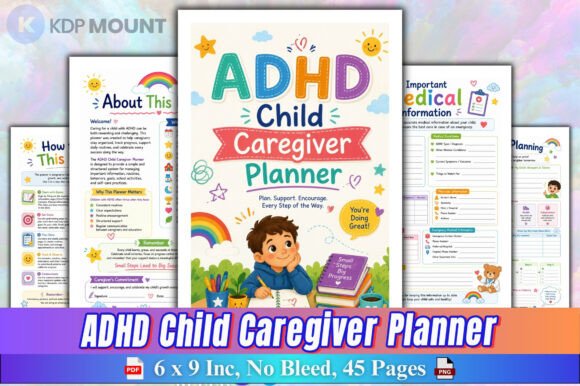
Supporting a child with ADHD requires patience, creativity, and a system that works for both the caregiver and the child. The ADHD Child Caregiver Planner brings together organization and encouragement in a single printable resource. It helps parents, teachers, and other professionals manage daily routines, track growth, and celebrate small wins. This guide explores how you can use the planner to bring calm, structure, and positive momentum to your caregiving practice.
What the ADHD Child Caregiver Planner Offers
At its core, this planner is a practical toolkit. It moves beyond simple scheduling and addresses the real challenges of supporting an ADHD child. The planner includes dedicated pages for emergency contacts, medical information, and a child profile. It also provides space for tracking strengths, interests, triggers, and challenges. Goal-setting sheets and routine planners help translate intentions into daily habits. Caregiver support pages ensure you also prioritize your own well-being.
Each section uses colorful, kid-friendly layouts that make the planner approachable rather than clinical. The design respects the caregiver’s need for clarity while keeping the child’s experience in mind. This balance between structure and warmth is what makes the planner stand out.
Home Use for Parents and Guardians
For families, the planner can become the central hub for daily life. Start with the About This Planner page to set intentions with your child. Let them help fill in the This Planner Belongs To page with their favorite colors or stickers. This small act builds ownership and buy-in. Use the routine planners to map out mornings, after-school time, and bedtime. Visual schedules reduce anxiety for children with ADHD because they know what comes next. The goal-setting pages work well for small, achievable targets like brushing teeth without reminders or completing one homework task before a break.
Classroom Integration for Teachers
Educators can adapt the planner for individual education plans (IEPs) or 504 plan tracking. The Behavior Monitoring pages help document patterns across different times of day or subjects. Teachers might share a simplified version with parents to create consistency between school and home. The Strengths Interests Tracker is especially valuable in a classroom setting. When you know what motivates a student, you can design lessons that capture their attention. Use the Challenges Triggers List to note specific situations that lead to distraction or frustration, then adjust seating, transitions, or instruction methods accordingly.
Professional Practice for Therapists and Coaches
Occupational therapists, behavioral coaches, and counselors often work with families over several sessions. The planner provides a shared framework that everyone can refer to. During appointments, review the Goal Setting Planning Pages to measure progress. The Important Medical Information page keeps medication schedules and professional contacts in one place. You might also use the caregiver support resources to check in with parents about their own stress levels. When caregivers feel supported, children benefit.
Emergency Contacts and Medical Information
This is more than a backup record. It is a proactive safety net. Update it at the start of each school year or after any medical changes. Include phone numbers for the pediatrician, therapist, and any specialists. Note allergies, medication dosages, and behavioral management strategies. If your child has a crisis plan, attach it here. Share a copy with teachers, babysitters, and family members who provide care.
Child Profile and Strengths Tracker
Children with ADHD often hear about what they should improve. The profile pages flip this narrative. List subjects your child excels at, hobbies they love, and moments when they surprised you. The Strengths Interests Tracker becomes a tool for building confidence. When you need to redirect difficult behavior, refer back to these pages for ideas. If your child loves building with LEGO bricks, use that interest to teach following instructions or working through frustration. If they enjoy drawing, let them sketch a visual schedule.
Understanding Triggers and Challenges
Every child has unique triggers. Some struggle with transitions. Others become overwhelmed by loud environments or open-ended instructions. Use the Challenges Triggers List to record observations over time. Look for patterns. Does a meltdown happen before meals? After screen time? When expectations are unclear? This information helps you redesign the environment, not just react to the behavior. Pair these notes with the behavior monitoring pages to see what interventions work best.
Setting Goals That Stick
The goal-setting pages encourage caregivers to think in small steps. Instead of focusing on a big outcome like “improve focus at school,” break it down. Start with a goal like “complete one worksheet with fewer than three redirections.” Write the steps needed to achieve this, such as setting a timer, offering a fidget tool, or allowing movement breaks. Celebrate when your child meets the goal, then adjust for the next challenge. The planner provides space to track multiple goals at once, but it is smarter to concentrate on one or two at a time. This prevents overwhelm for both you and the child.
Behavior Monitoring Without Judgment
Behavior tracking sometimes feels like policing. The planner reframes it as observation. Record what happened before, during, and after a behavior. Note the environment, time of day, and your child’s energy level. Over a few weeks, patterns emerge. You might discover that after lunch, your child is more restless, so you adjust their schedule to include quiet reading or a short walk. The behavior pages are not about labeling children as good or bad. They are about understanding what supports positive engagement.
Routine Planners That Actually Work
Routines lower the mental load for children with ADHD. The planner includes daily and weekly routine templates. Keep them visual. Use simple drawings, icons, or color-coding. Morning routines might show wake up, brush teeth, get dressed, eat breakfast, pack bag. Evening routines might include dinner, homework, bath, story, bed. Post the routine where your child can see it. Let them check off each step. This builds independence and reduces nagging. When a routine stops working, revisit the planner and tweak it together.
Supporting Yourself as a Caregiver
Caregiver burnout is real. The planner addresses this with dedicated pages for your own reflection and self-care. You might track your mood, note when you need a break, or set personal goals. Remember that supporting an ADHD child is demanding. You cannot pour from an empty cup. Use the planner to schedule time for yourself, even if it is fifteen minutes of quiet. Talk to other caregivers in your community or online. The planner is not just about managing the child. It is about sustaining the whole family system.
Making the Planner Work Long-Term
Consistency matters, but flexibility matters more. Some weeks the planner will be used daily. Other weeks might feel chaotic, and that is okay. The planner is a tool, not a test. Adapt the sections to fit your current season of life. If your child outgrows a certain goal, tear out that page and add a new one. If a tracking sheet feels tedious, switch to a simpler format. The goal is progress, not perfection. Over time, the planner becomes a record of growth. You will flip back through pages and see how far both you and your child have come.
Practical Tips for Getting Started
- Print in full color. The bright design is intentional. It signals positivity and energy. Black and white versions lose some of the visual appeal that draws children in.
- Laminate key pages. Routine sheets and behavior trackers can be reused with dry-erase markers. This saves paper and makes daily use easier.
- Involve the child. Let them choose which sticker goes on a completed goal. Let them draw in the margins. Ownership increases cooperation.
- Keep the planner accessible. Store it in a common area like the kitchen counter or a family command center. If it is hidden in a drawer, it will not get used.
- Review weekly. Set aside ten minutes each Sunday to review the past week and plan the next. This habit turns the planner from a passive document into an active support system.
For the Creative Parent
Use the color pages as a canvas. Add washi tape, stickers, or drawings alongside the tracking sheets. Turn goal-setting into a treasure hunt. When your child achieves a goal, add a small reward visual to the page. The planner becomes a scrapbook of progress. This personalization strengthens the child’s emotional connection to the process.
For the Data-Oriented Caregiver
Use the behavior monitoring and triggers pages to generate insights. Note time frames, antecedents, and consequences. After a few weeks, look for correlations. Does a certain diet change affect attention? Does outdoor play improve evening behavior? These patterns become actionable. Share them with doctors or therapists for more targeted support. The planner turns observation into strategy.
For the Busy Professional
Teachers and therapists can keep a digital copy of the core pages and print only what they need for a specific session. The planner also works well as a communication tool. Share the child profile or goal sheets with parents during meetings. Having a consistent format across home and school environments reduces confusion and aligns expectations.
Final Thoughts on Building a Supportive System
The ADHD Child Caregiver Planner is more than a collection of forms. It is a framework for thoughtful, intentional support. It acknowledges that caregiving involves both structure and heart. By using the planner consistently, you build a shared language with your child. You show them that their challenges are understood and their strengths are recognized. You also give yourself permission to ask for help, track your own needs, and celebrate the small victories along the way. Start where you are, use what you have, and let the planner grow with you.